


Digital product development · Rīga

We build digital products — and run our own.

Libesent builds and runs digital products for clients. Morsly, amvero and Knit are ours: live, documented, and open for you to try before you talk to us.

Proof, not promises

Products we built and run ourselves

Open them, use them, read their docs. That's the standard we'd hold your product to.

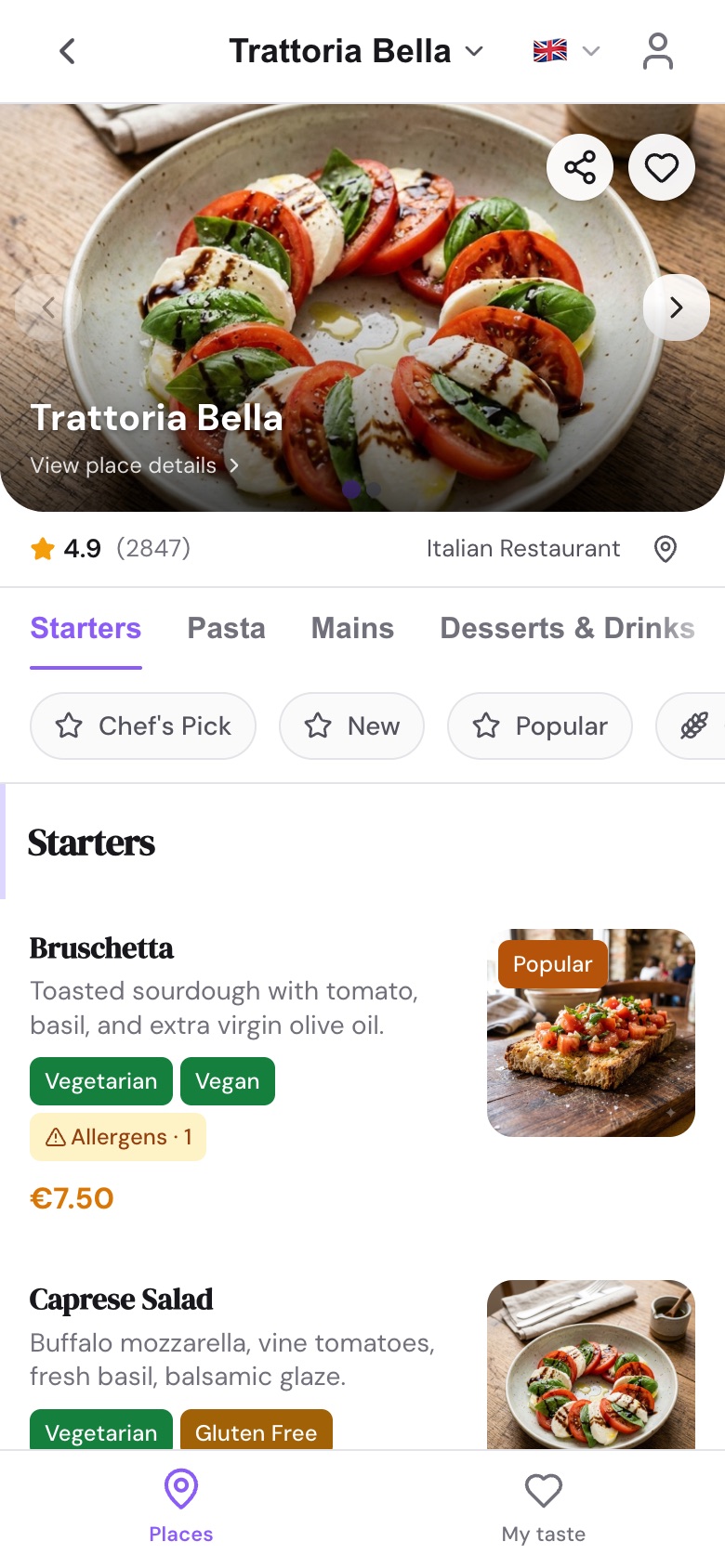
Morsly: a restaurant's menu as guests see it, with categories, dishes and prices
Morsly Live

A menu in several languages, without a translator on staff

Morsly puts food venues online: guests scan a QR code and browse — or order — on their own phone, with nothing to install. Owners run the venue, the team and the menu from one login.

  • AI reads a menu from a file or photo; nothing goes live until a person has checked it
  • Translations are drafted automatically and wait for approval before guests see them
  • Guests order from the table by QR code, no app required
  • Owners invite staff and decide who can edit what

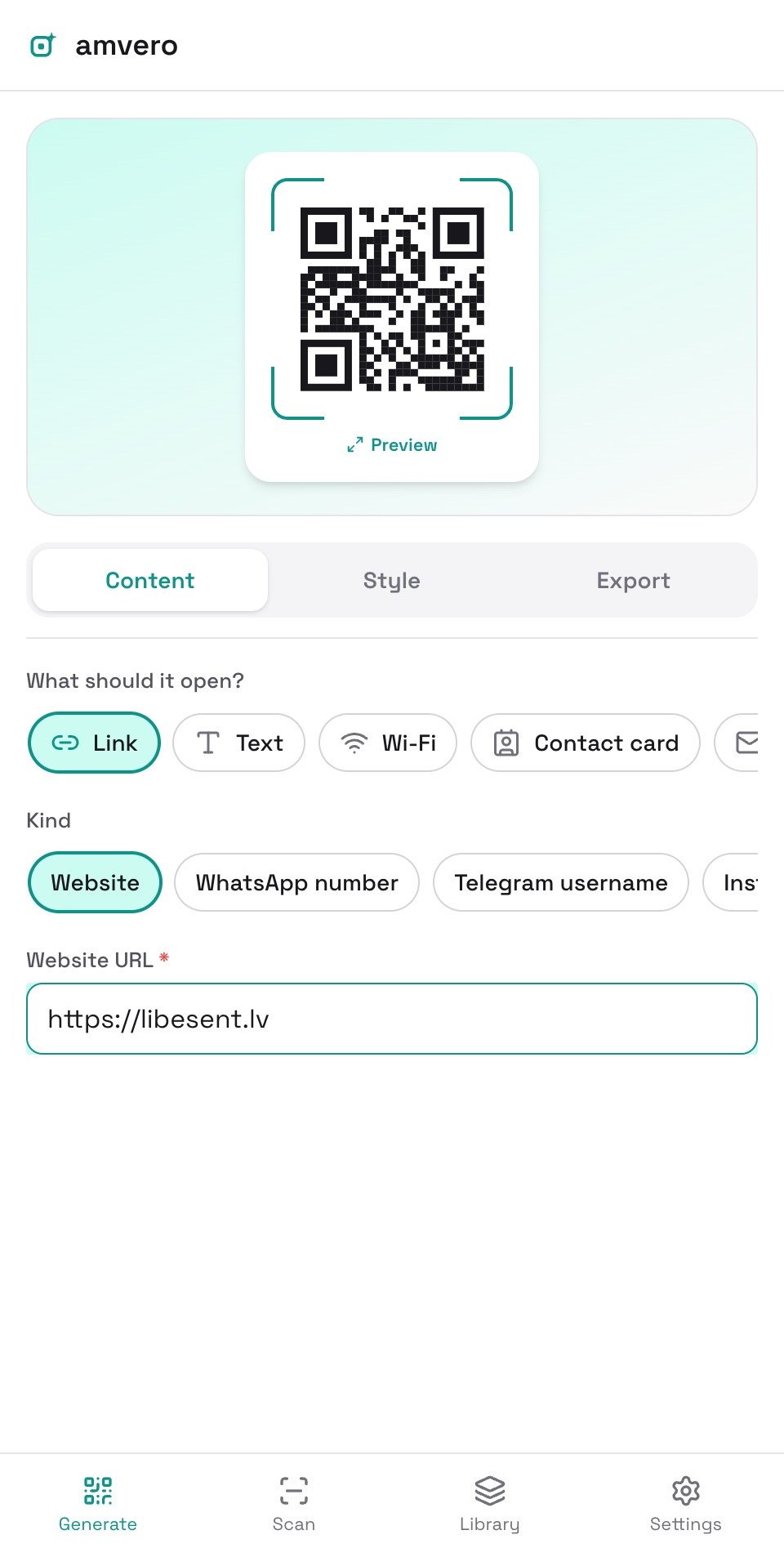
amvero's generator: a live QR preview above the content, style and export tabs
amvero Live

A QR tool that never sees your data

amvero generates, scans and stores QR codes entirely in the browser. There is no server behind it, so there is nothing to sign up for, nothing to leak and nothing to pay.

  • No backend: generation, scanning and the library all run on the device
  • Keeps working offline
  • Scans from the camera or an image; styled codes warn when they may not scan
  • Batch mode turns a CSV into a ZIP of styled codes
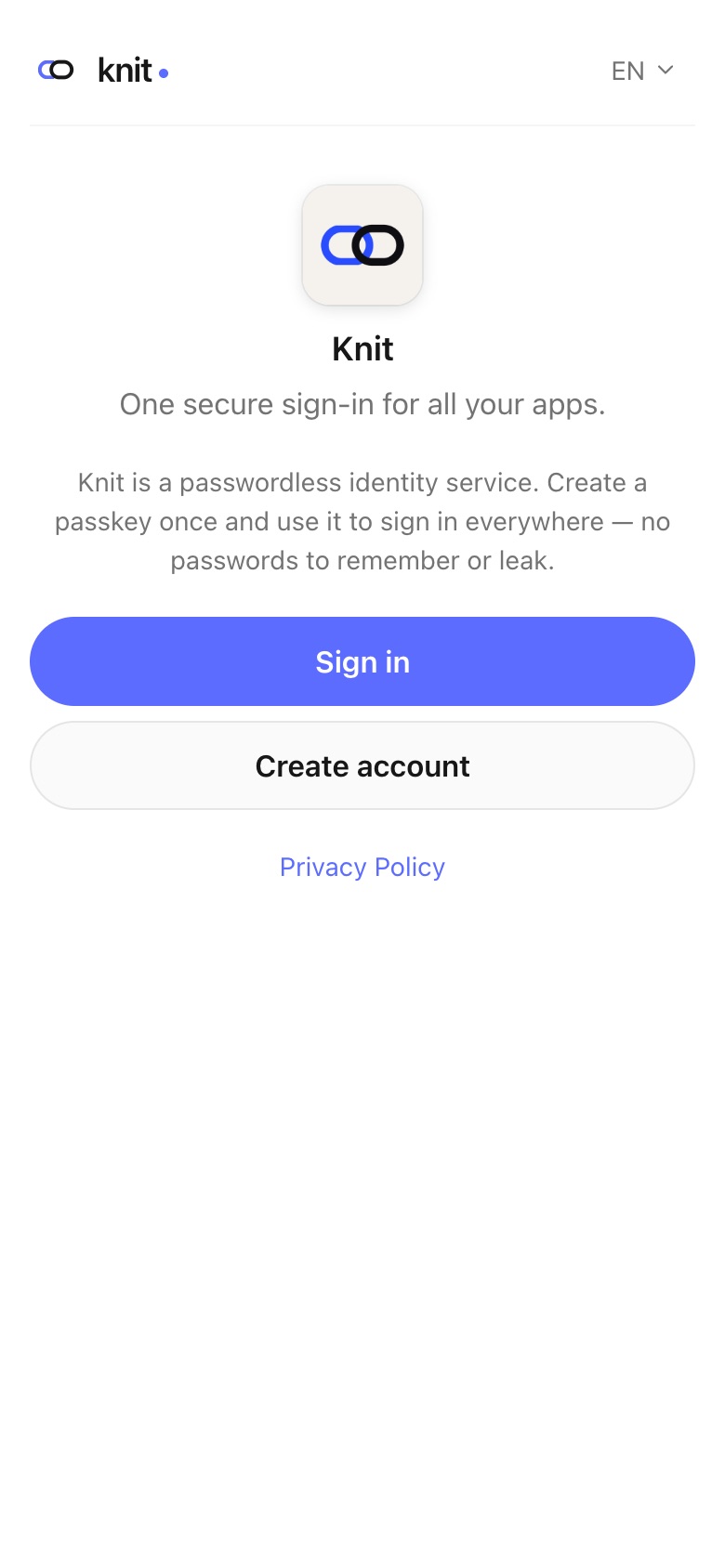
Knit: the start page with Sign in and Create account
Knit Live

Sign-in that never asks for a password

Knit gives every app one sign-in built on passkeys. Users approve new devices from their phone instead of typing anything, so there are no passwords to steal, reset or forget.

  • Passkeys first: fingerprint, face or PIN, checked on the user's own device
  • A phone approves sign-ins on other devices by QR code, with full or login-only access
  • Social login with Google, Apple, Microsoft, Facebook, Telegram and X
  • Works as an OpenID Connect provider for any app that supports it

Engagement

How an engagement runs

  1. Talk

    A first conversation about the problem, the users and the constraints. It's free, and you leave with an honest opinion.

  2. Shape

    We agree what the first release must do and what can wait, then put a working prototype in front of real users.

  3. Build

    Short iterations with working software you can open at every check-in — not status reports.

  4. Run

    We host, monitor and maintain what we ship, and keep improving it after launch.

More on how we work

Have a product in mind?

Tell us what you're trying to build. A few sentences are enough — we'll reply with questions or a next step.

Start a conversation